The Turnhoutse School
A New Chapter
October 9, 2026
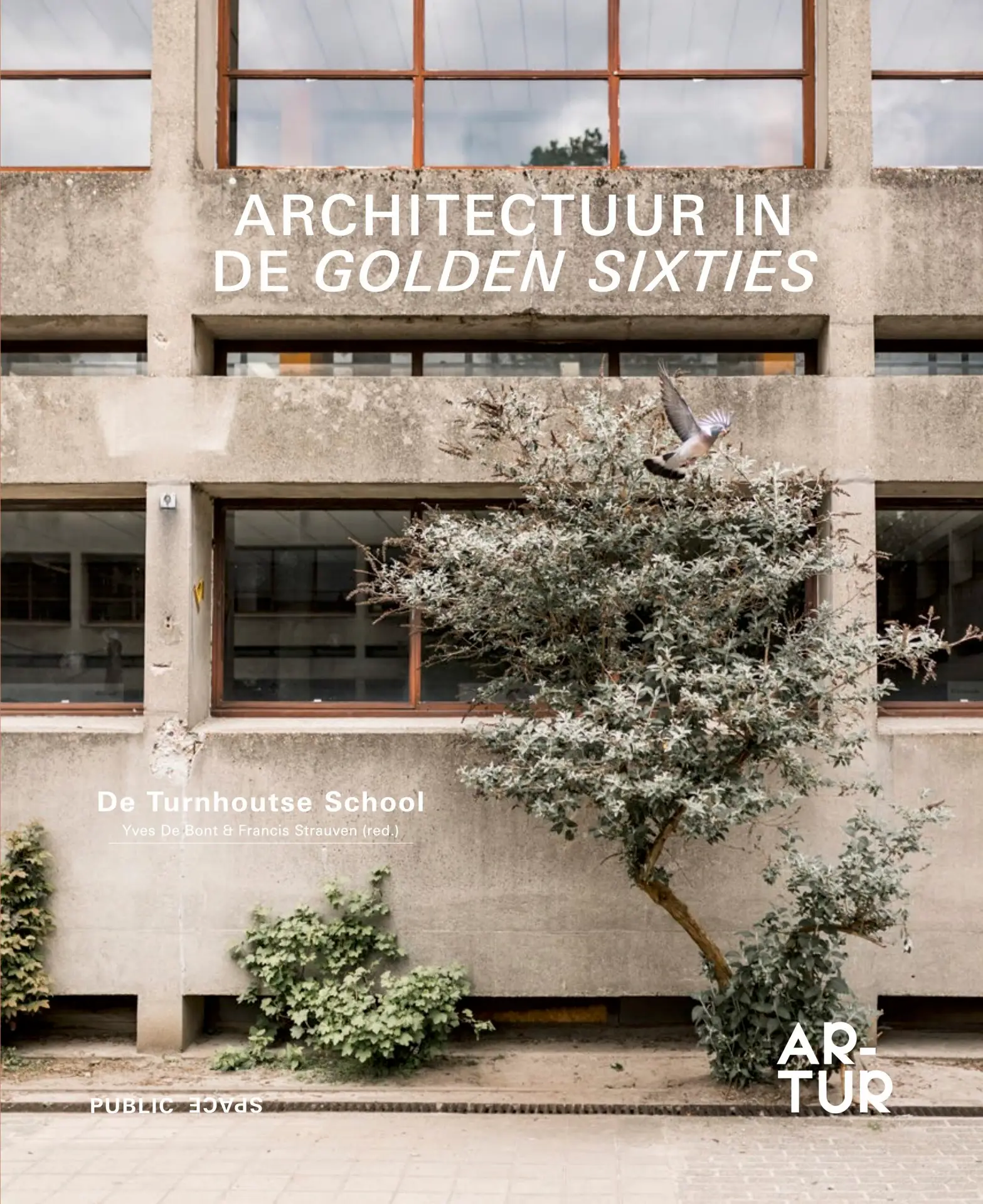
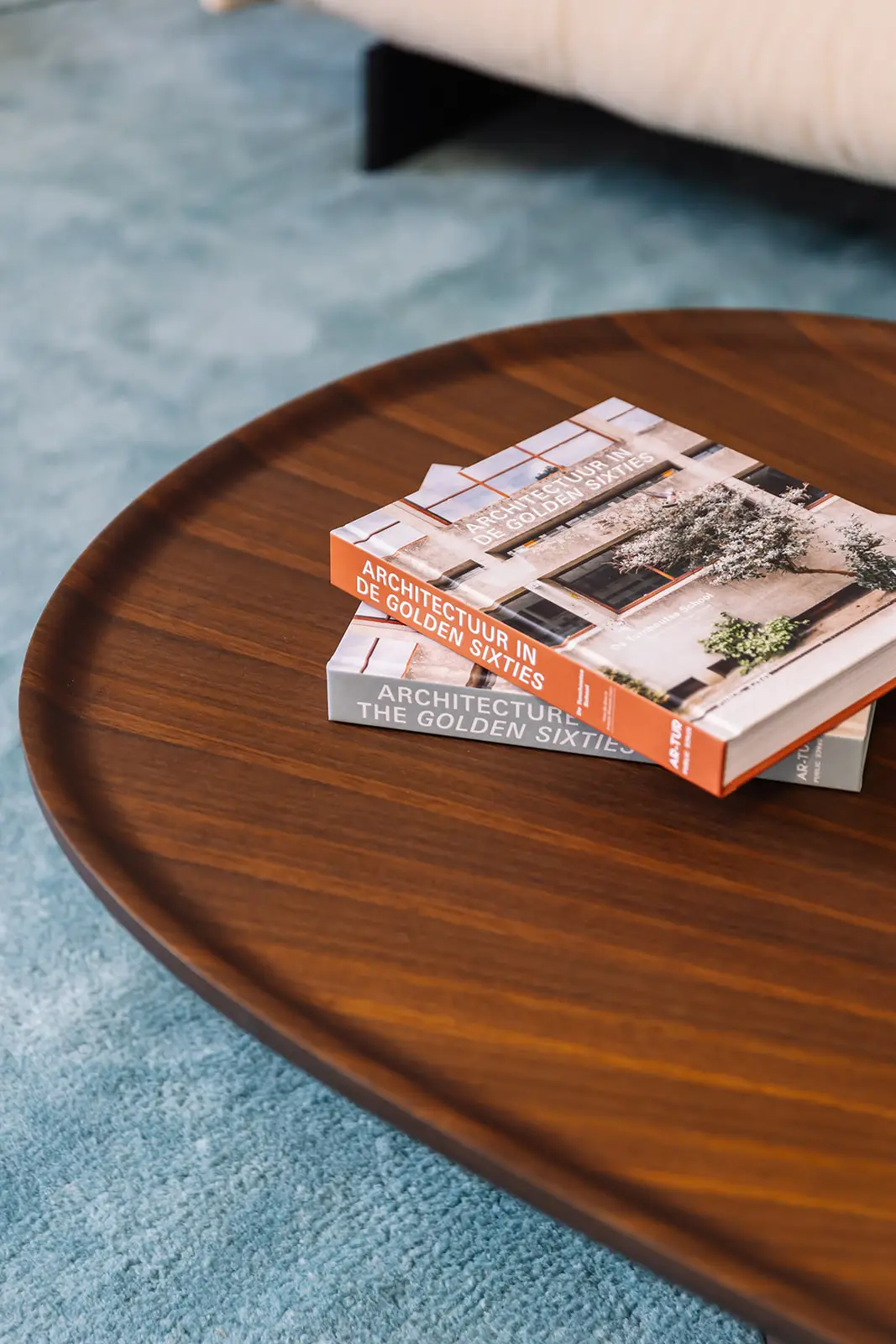
Fourteen years after its original publication, Architecture in the Golden Sixties: The Turnhoutse School receives a new chapter. This third, revised edition brings the story of a remarkable generation of Turnhout architects back into the spotlight and, for the first time, is published entirely in English. Consequently, an essential chapter of Flemish architectural history becomes accessible once again to a broad international audience.
Anyone driving through Turnhout and its surroundings today will encounter traces of a remarkable period in local architectural history. During the 1960s and early 1970s, several architects were active here, each developing their own practice and formal language, yet simultaneously displaying a clear kinship.
Paul Neefs, Atelier Vanhout & Schellekens, and the office of Lou Jansen and Rudi Schiltz are generally grouped together under the banner of the ‘Turnhoutse School’.
Although the name might suggest otherwise, it was not a formal school or architectural collective. Instead, the term refers to a group of architects working from the same environment who developed a unique architectural style within post-war modernism. Their work was rooted in Turnhout and the Kempen region, yet it aligned with broader developments in European architecture.
From Architecture to Publication
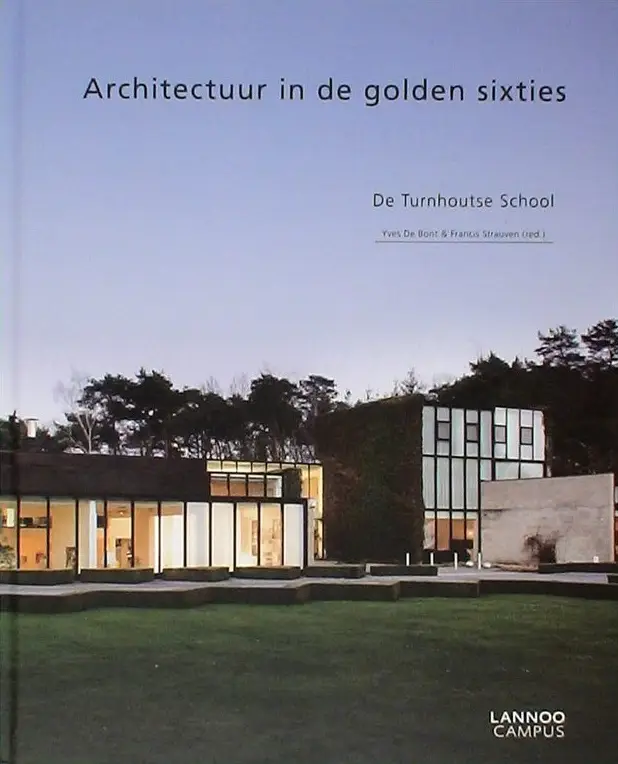
In 2012, this narrative was first captured in a comprehensive publication. Under the title Architecture in the Golden Sixties: The Turnhoutse School, authors Yves De Bont and Francis Strauven extensively mapped the work and context of this generation of architects.
The book was more than just a collection of photographs of notable buildings; it was the result of in-depth research into the architects, their oeuvre, their mutual relationships, and the social conditions in which their architecture emerged.
Francis Strauven examined the life and work of Paul Neefs, while Yves De Bont delved into Jansen & Schiltz and Vanhout & Schellekens. Other researchers contributed pieces on social housing, the relationship between architect and client, and the shaping of the collective. The origins of several key collaborative projects were also investigated.
Featuring more than 500 plans and photographs, the publication offered not only a broad overview of the realized architecture but also a look behind the scenes. The design process, collaboration, and the evolution of ideas thus became an integral part of the story.
Interest proved to be significant. The first edition from 2012 sold out quickly, followed by a reprint in 2014. That edition eventually became difficult to obtain as well.
More than ten years after that second printing, an initiative grew to make the book available once more. This time, the choice was made not for a simple reprint, but for a revised and expanded third edition.
The original publication remains the foundation but is supplemented by a new foreword and an additional chapter. In it, the Turnhoutse School is viewed from a contemporary perspective, exploring its place within a wider international architectural context.
This international focus is also literally reflected in the new edition: for the first time, the book is published entirely in English. This ensures the research is accessible to architects, researchers, students, heritage professionals, and other interested parties outside the Dutch-speaking world.
Revisiting the Turnhoutse School
For the new chapter, the authors did not merely rely on existing texts and archives; the architecture itself was revisited.
On February 18, 2026, Karina Van Herck of the Flanders Heritage Agency and Marieke Kuipers, together with Edith Wouters and Herbert Weyns of AR-TUR, visited several characteristic buildings of the Turnhoutse School.
https://actrust.be/ar-tur-werkt-aan-nieuwe-editie-de-turnhoutse-school/
One of the stops was the Carli Vanhout House in Turnhout. Under the guidance of Luc Vanhout, managing director of Architects in Motion and the Architectural Conservation Trust, the residence was re-examined from a contemporary perspective. These on-site observations and discussions about the architecture and its context served as an essential foundation for the new reflections in the publication.
Such a fresh perspective is highly relevant. A home that was decidedly modern sixty years ago exists in a completely different context today. Materials age, residents and functions change, and technical requirements evolve. Simultaneously, there is a growing realization that these buildings are a vital part of our architectural patrimony.
This shifts the central question: not just ‘what made this architecture special at the time?’, but also ‘what does it signify today and how do we manage it for the future?’
It is precisely here that the new edition aligns with the mission of the Architectural Conservation Trust.
ACT brings together the lives and works of Jozef Schellekens, Carli Vanhout, Paul Schellekens, and Architects in Motion, thereby connecting different generations of architectural practice in Turnhout. This involves not only the buildings themselves but also the preservation and accessibility of the ideas, stories, and design practices behind them.
Consequently, ACT is also featured in the new chapter of the publication.
Architectural archives play a crucial role in this. Plans, sketches, photographs, and other documents tell a part of the story that is not always visible in the finished building. They make it possible to understand how designs originated and serve as fertile sources for future research.
This focus on archives was closely linked to the realization of the new edition.
In June 2025, Architects in Motion and Master Interior, in collaboration with AR-TUR and Erfgoed Noorderkempen, organized a benefit event at Cultuurhuis de Warande. Partners, designers, and heritage enthusiasts gathered with the goal of raising funds for the reprint and translation of the book, while simultaneously drawing attention to the sustainable preservation of architectural archives.
The necessary funding was secured, allowing the third edition to become a reality.
https://actrust.be/herdruk-en-vertaling-boek-turnhoutse-school-de-financiering-is-rond/
A New Edition
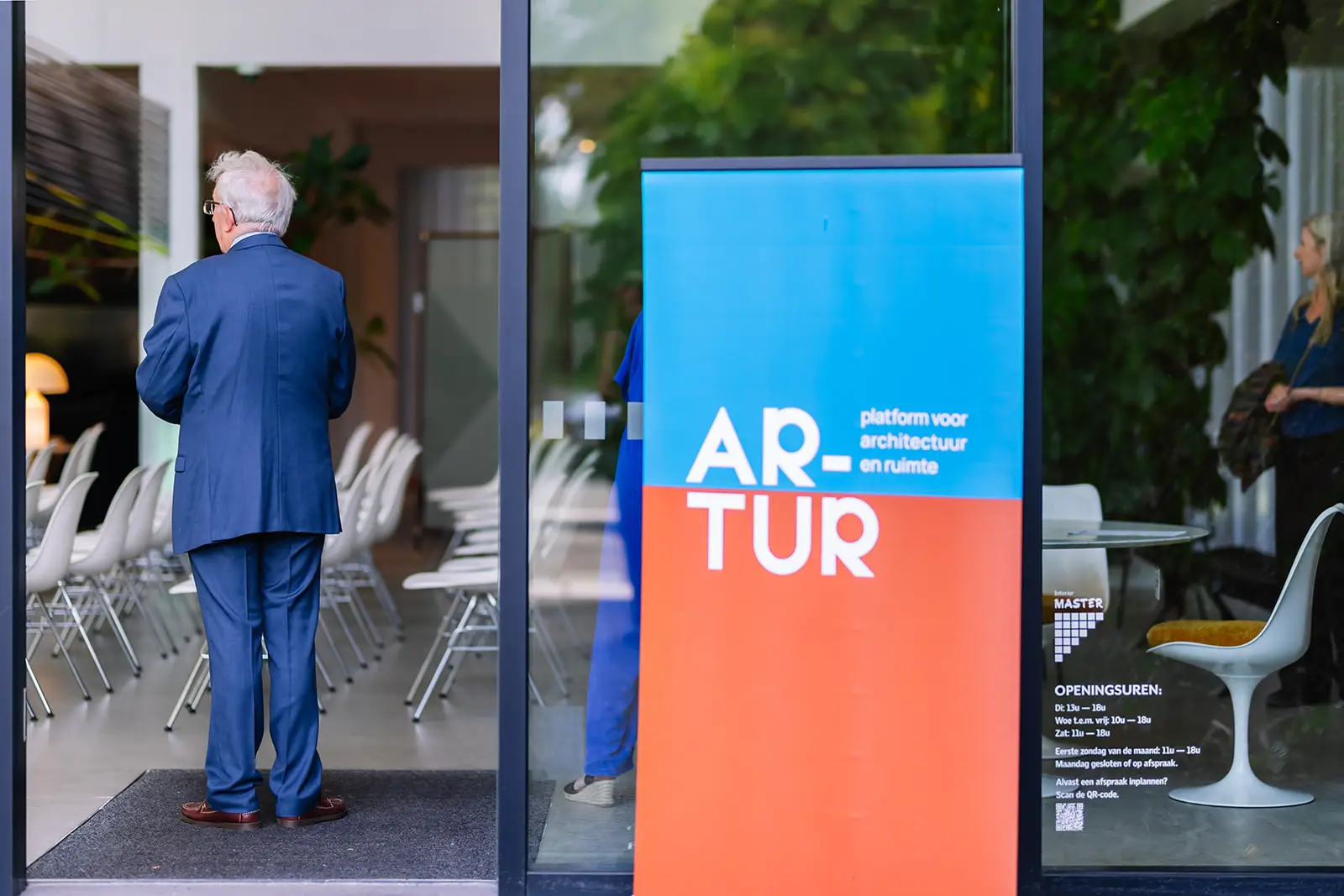
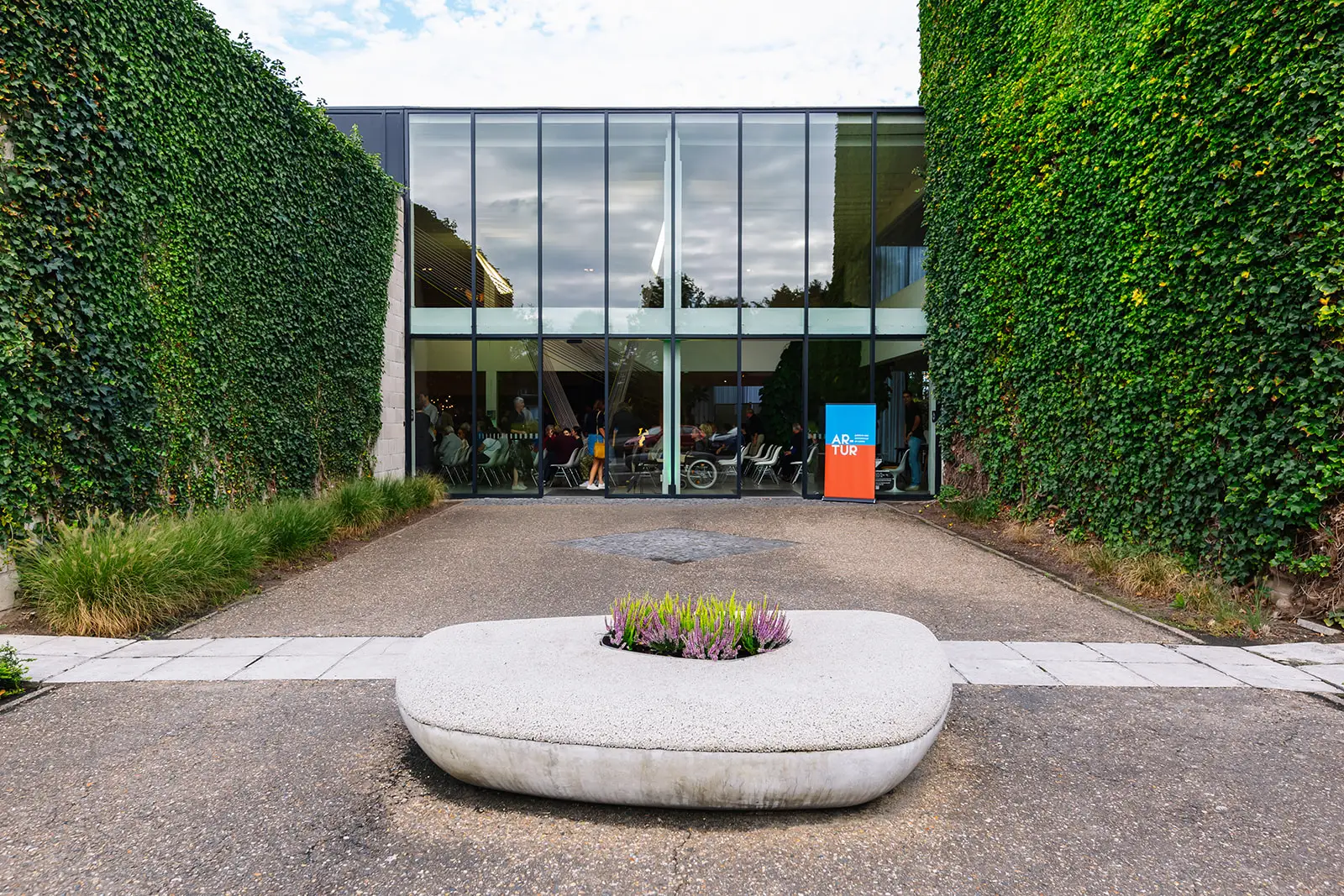
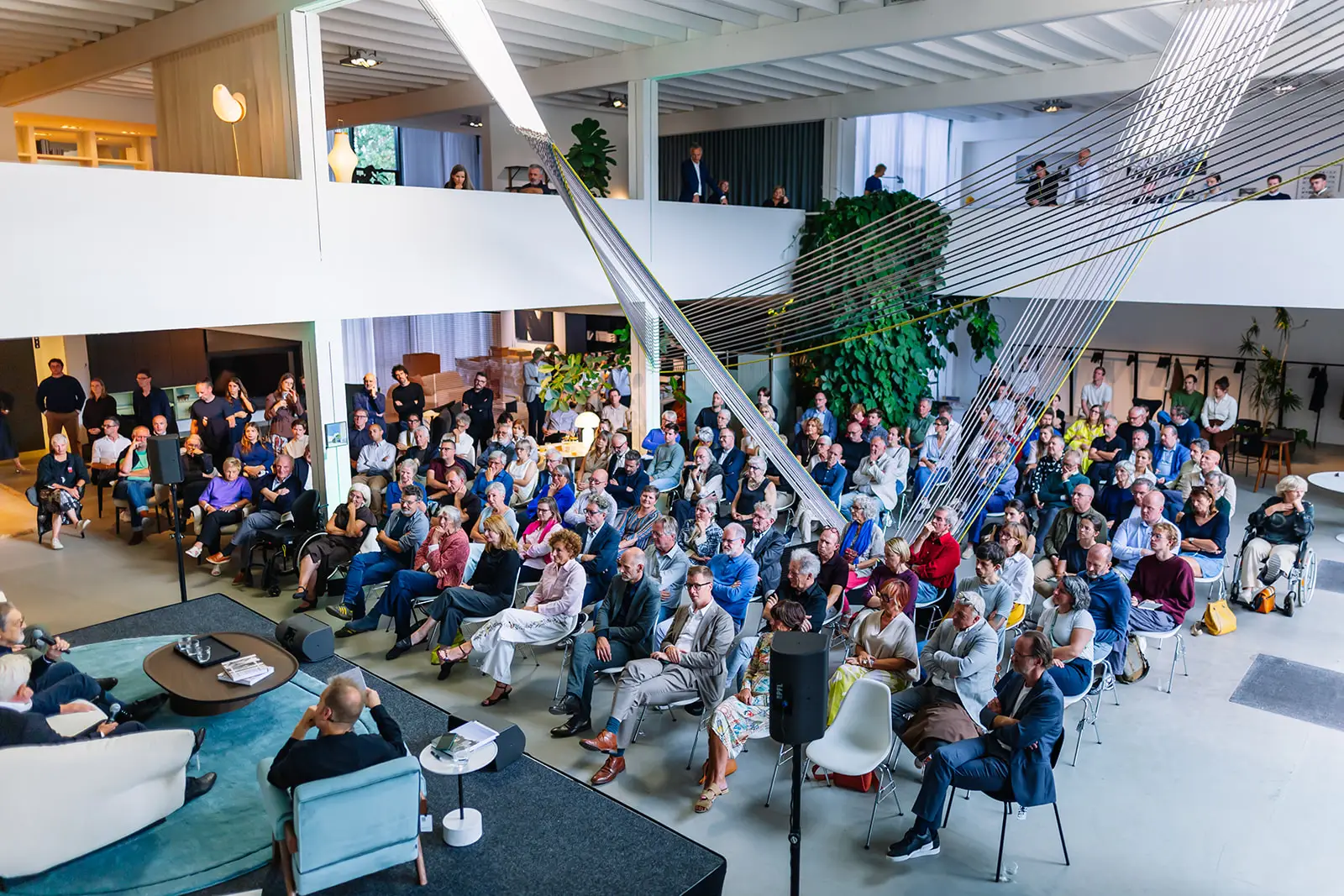
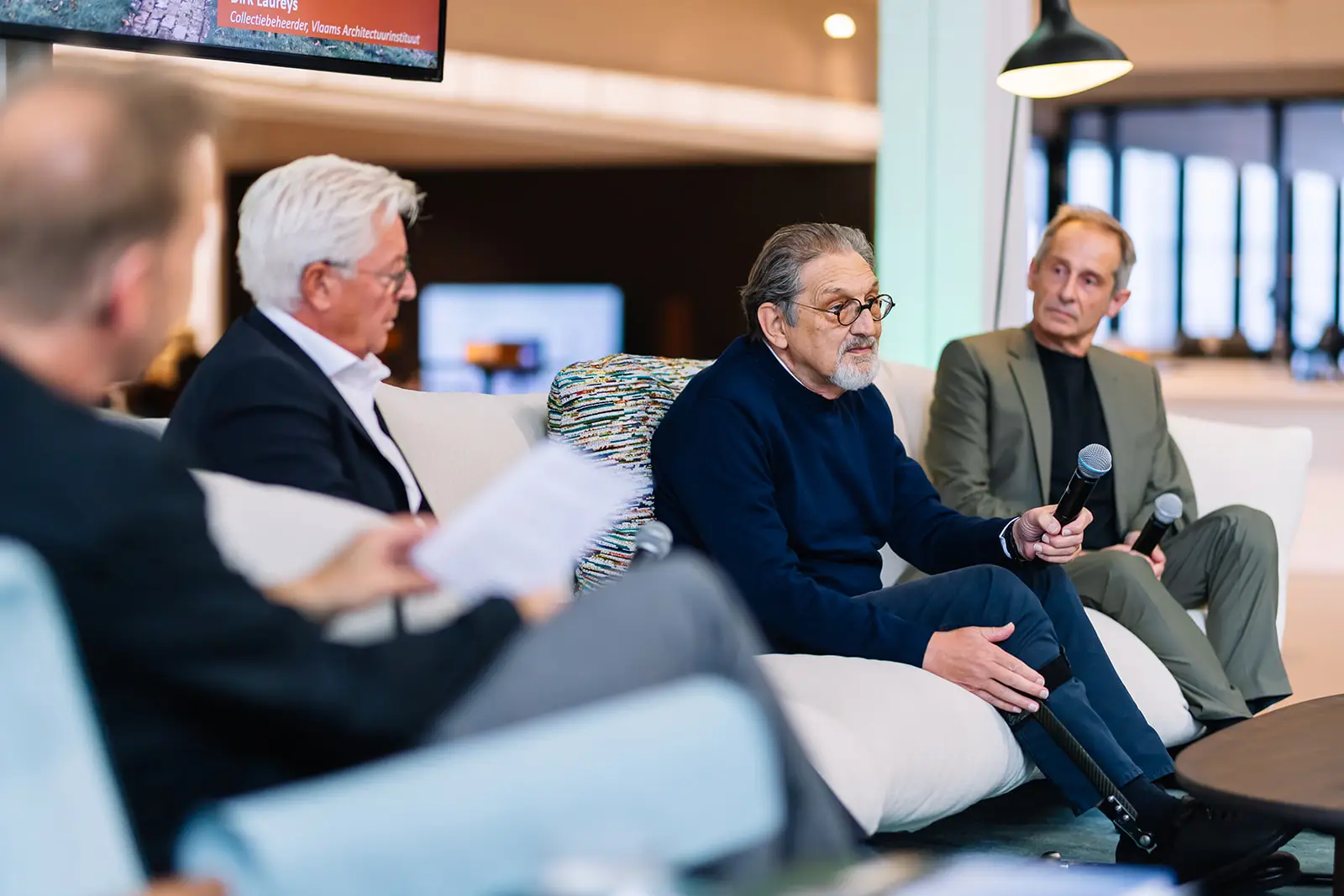
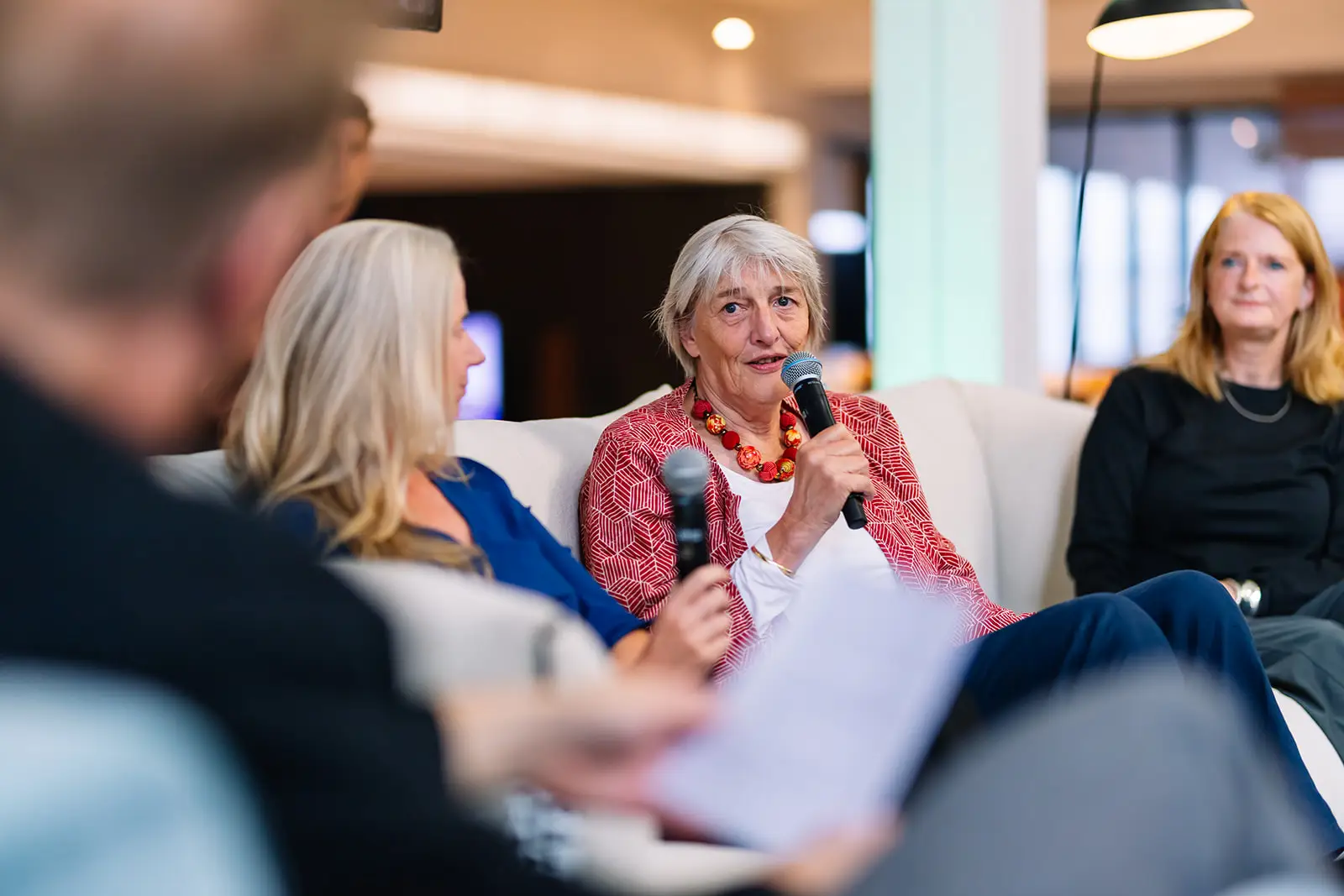
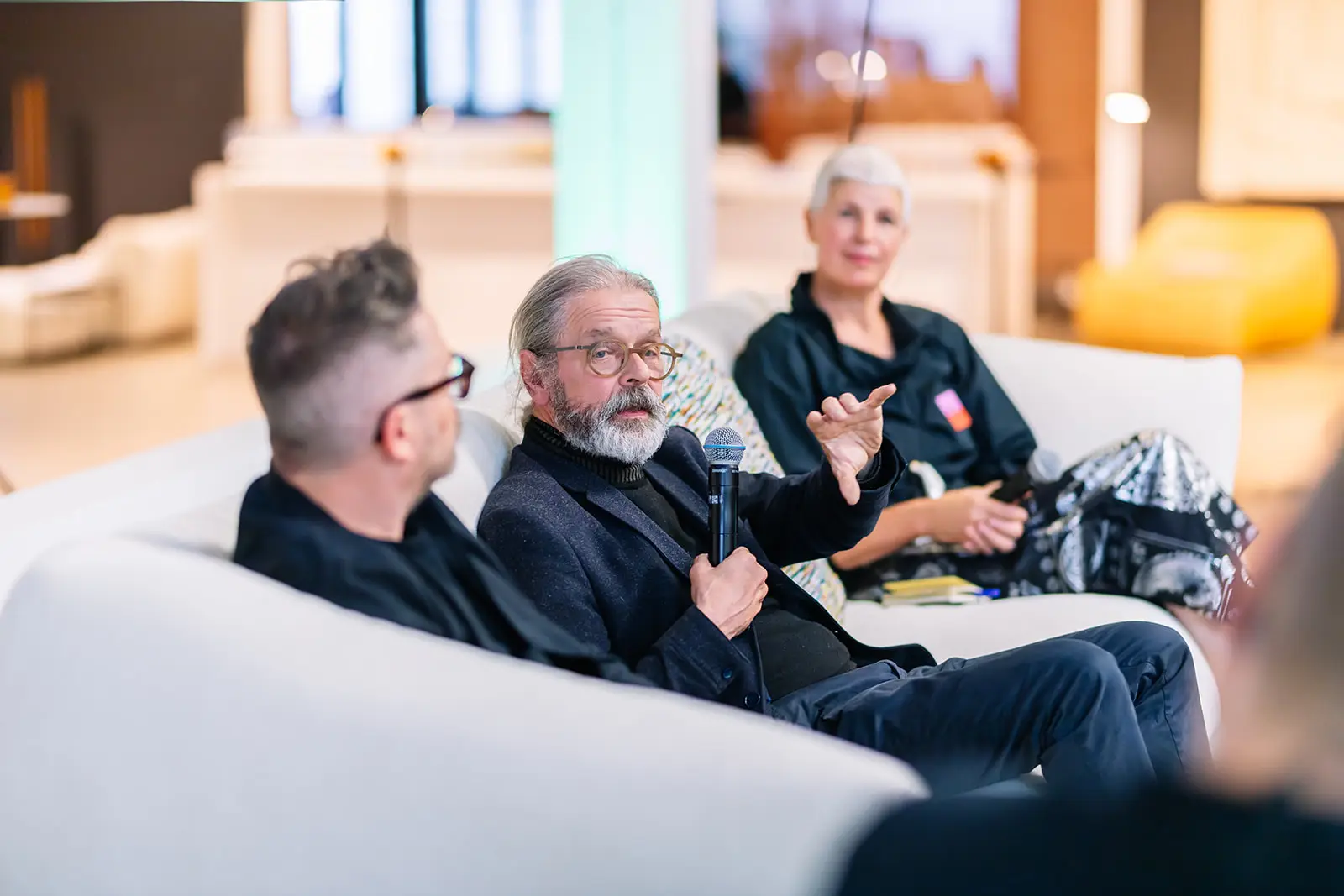
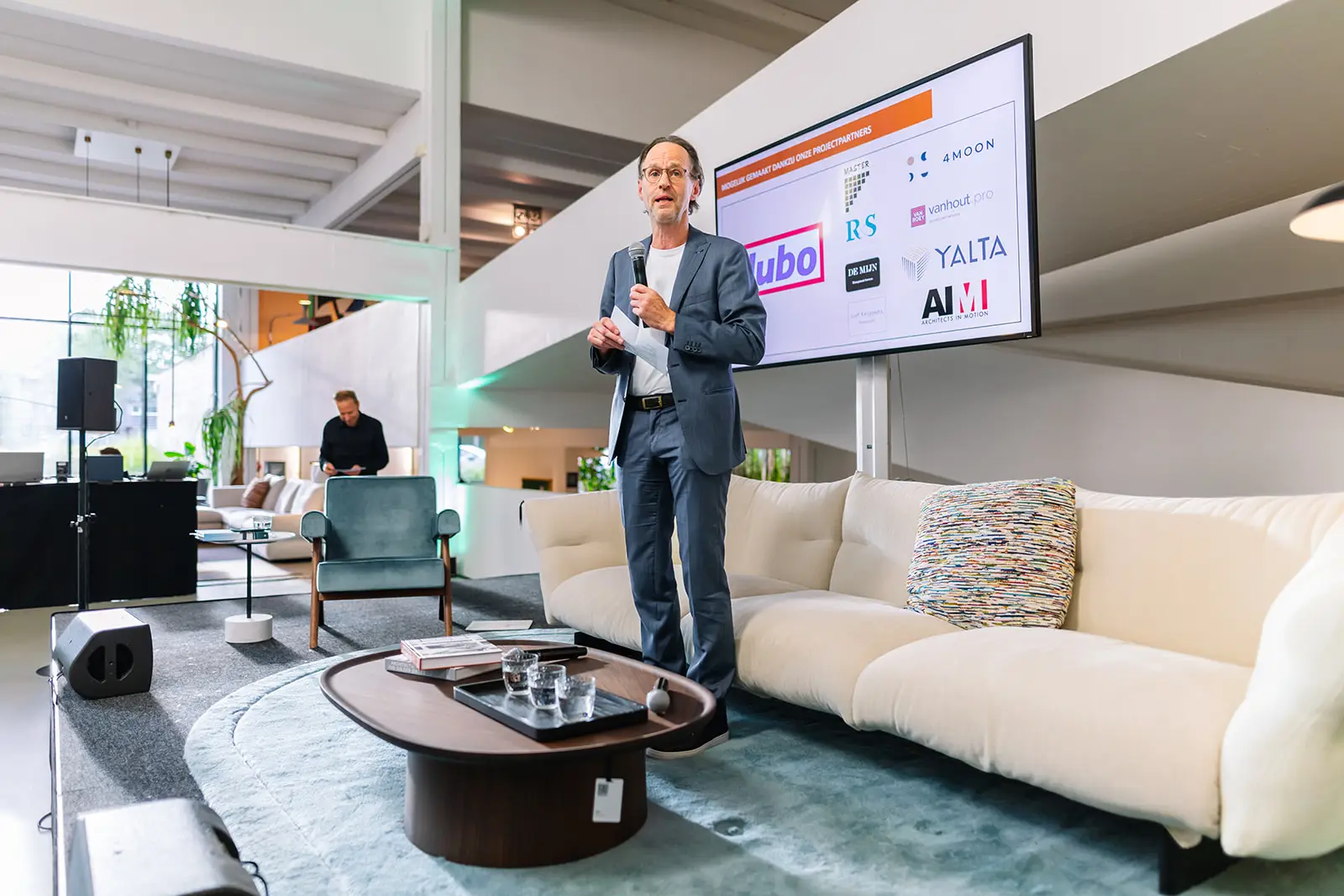
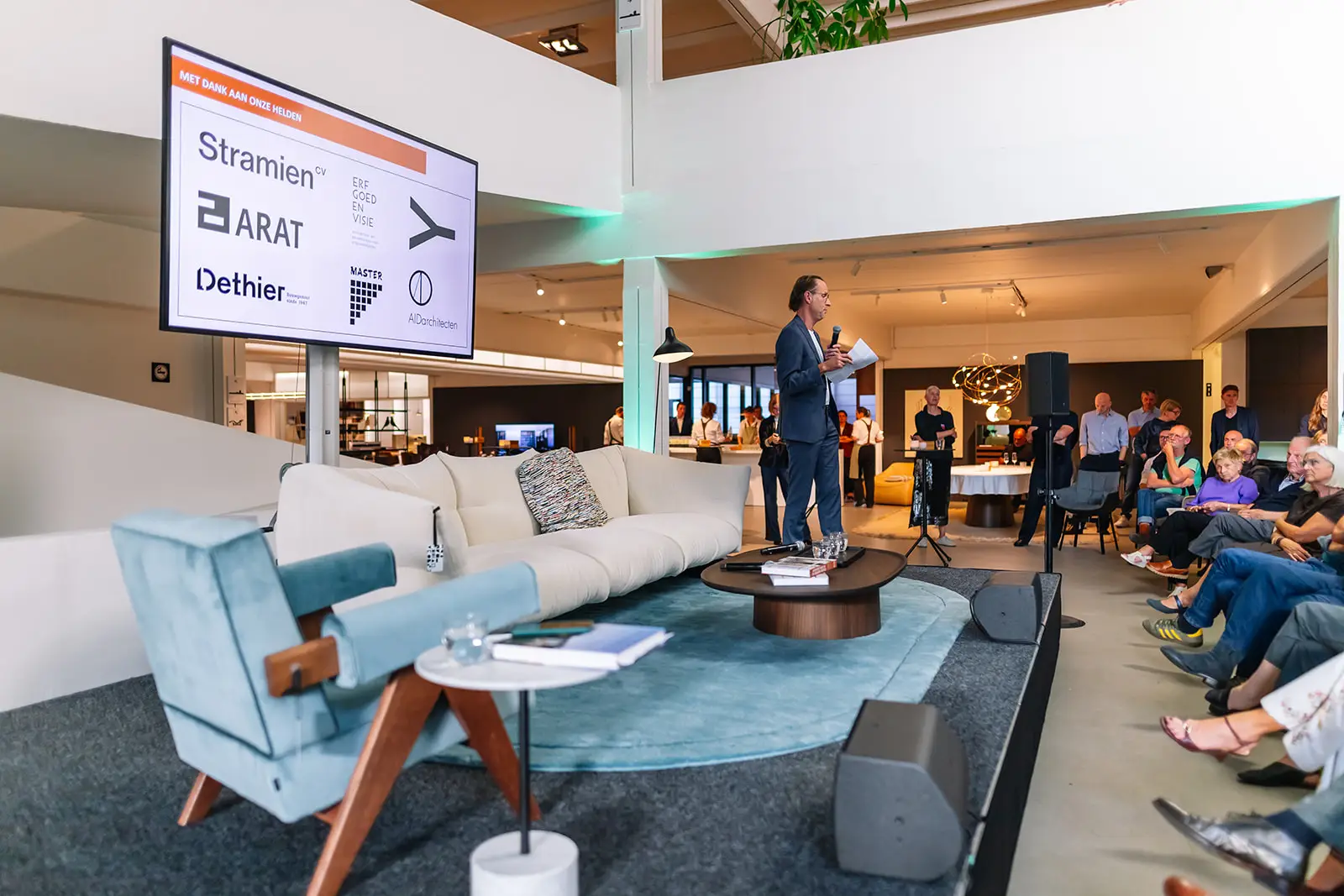
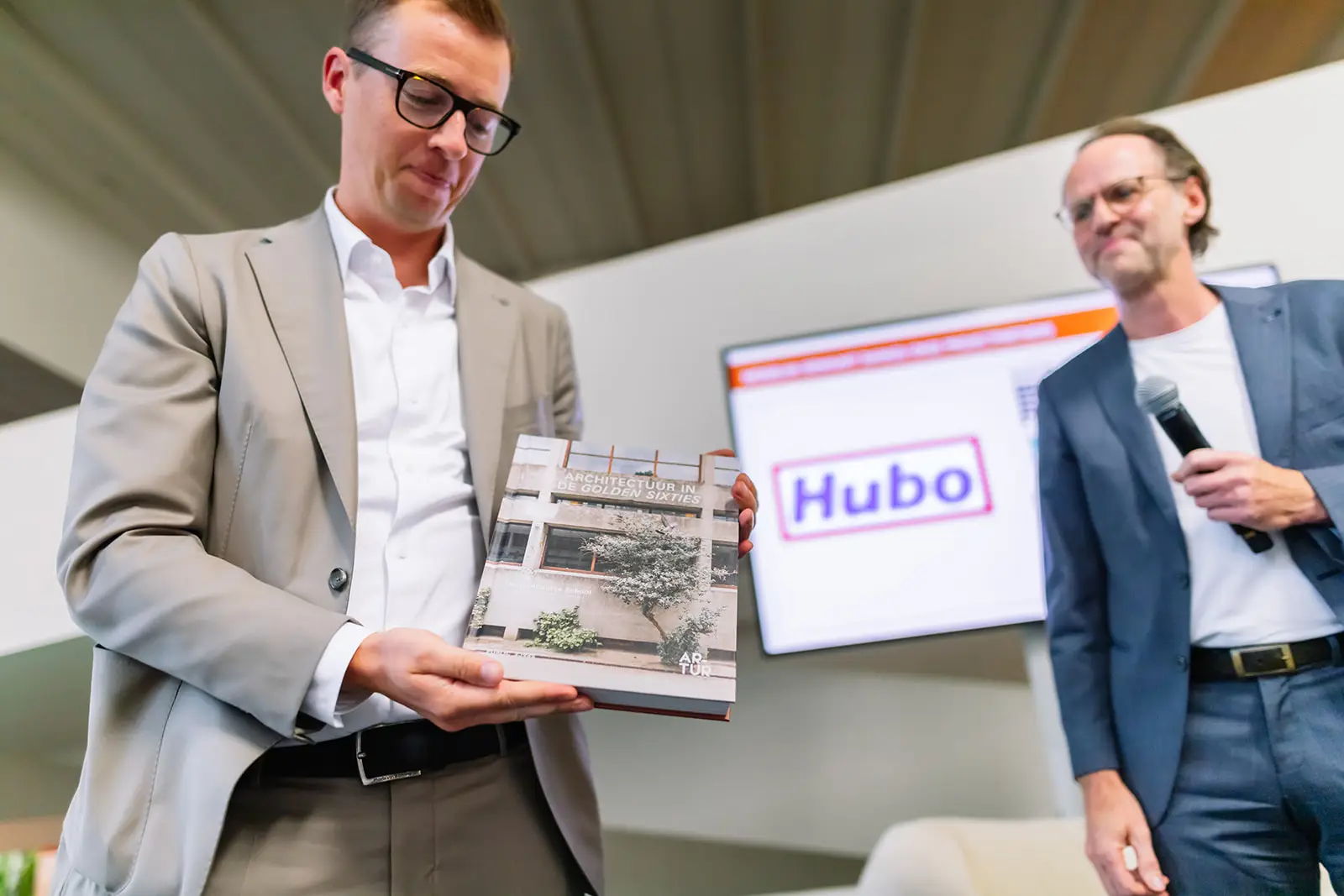
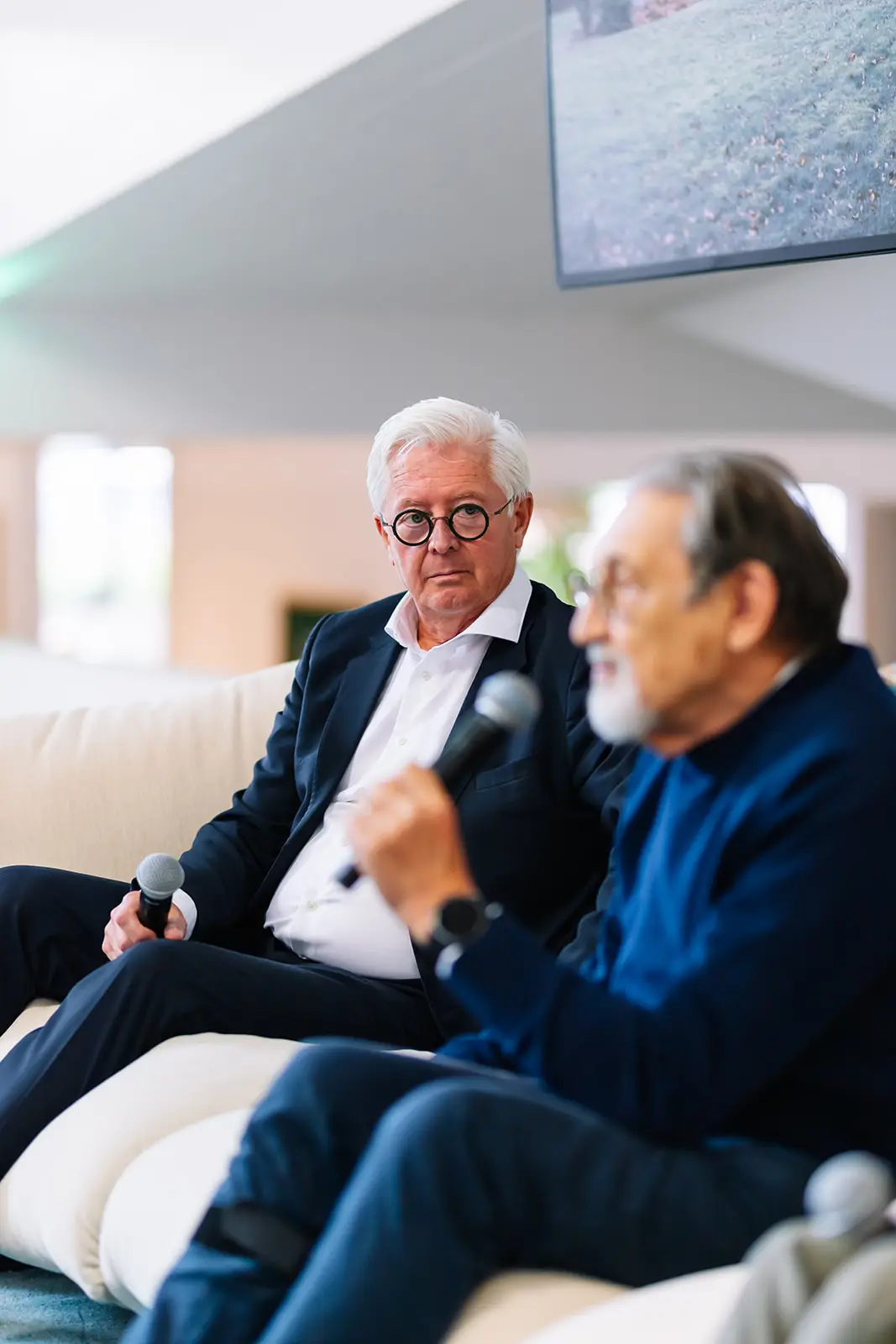
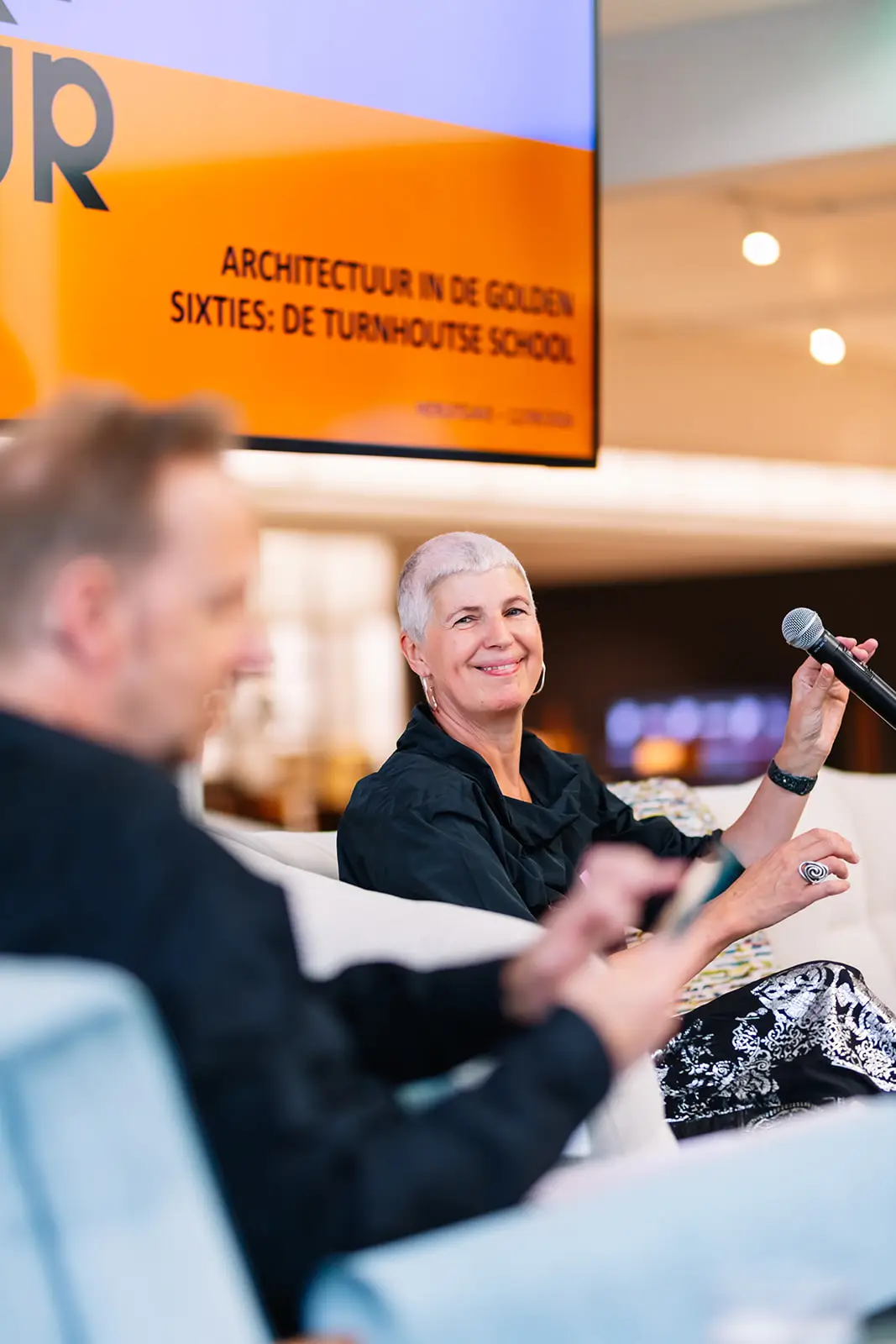
On September 12, 2026, the updated edition was officially presented during a festive gathering at Master Interior.
https://ar-tur.be/nieuws/boek-nu-te-koop-architectuur-in-de-golden-sixties-de-turnhoutse-school
Authors, researchers, architects, heritage professionals, partners, sponsors, and enthusiasts of the Turnhoutse School came together. During discussions with Yves De Bont, Luc Vanhout, Dennis Pohl, Karina Van Herck, Marieke Kuipers, Eva Storgaard, Edith Wouters, Philip Baelus, and Jef Van Doninck, the focus was on reflecting on the research while looking toward the future of this architectural heritage.
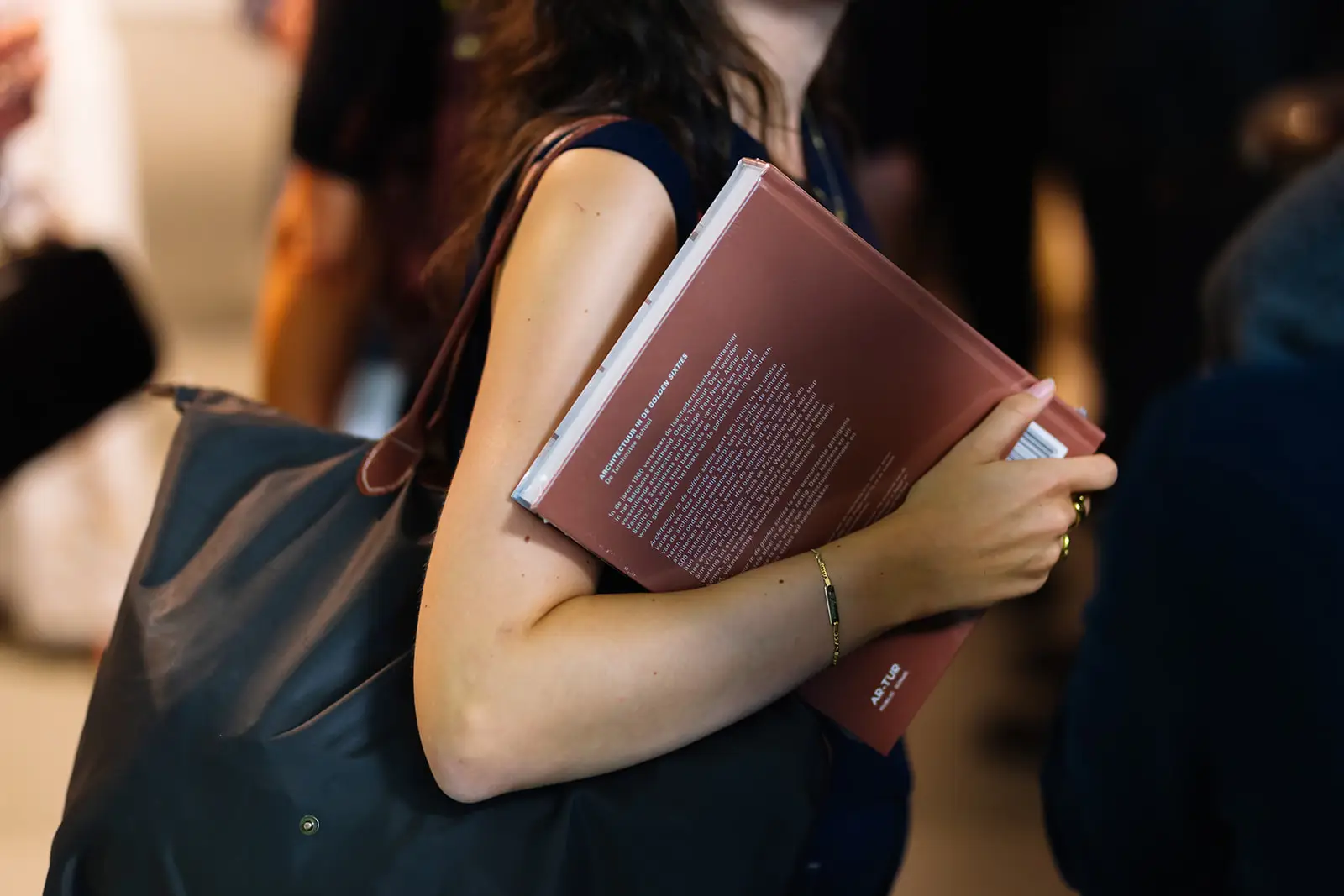
Fourteen years after the first publication, Architecture in the Golden Sixties: The Turnhoutse School is once again available.
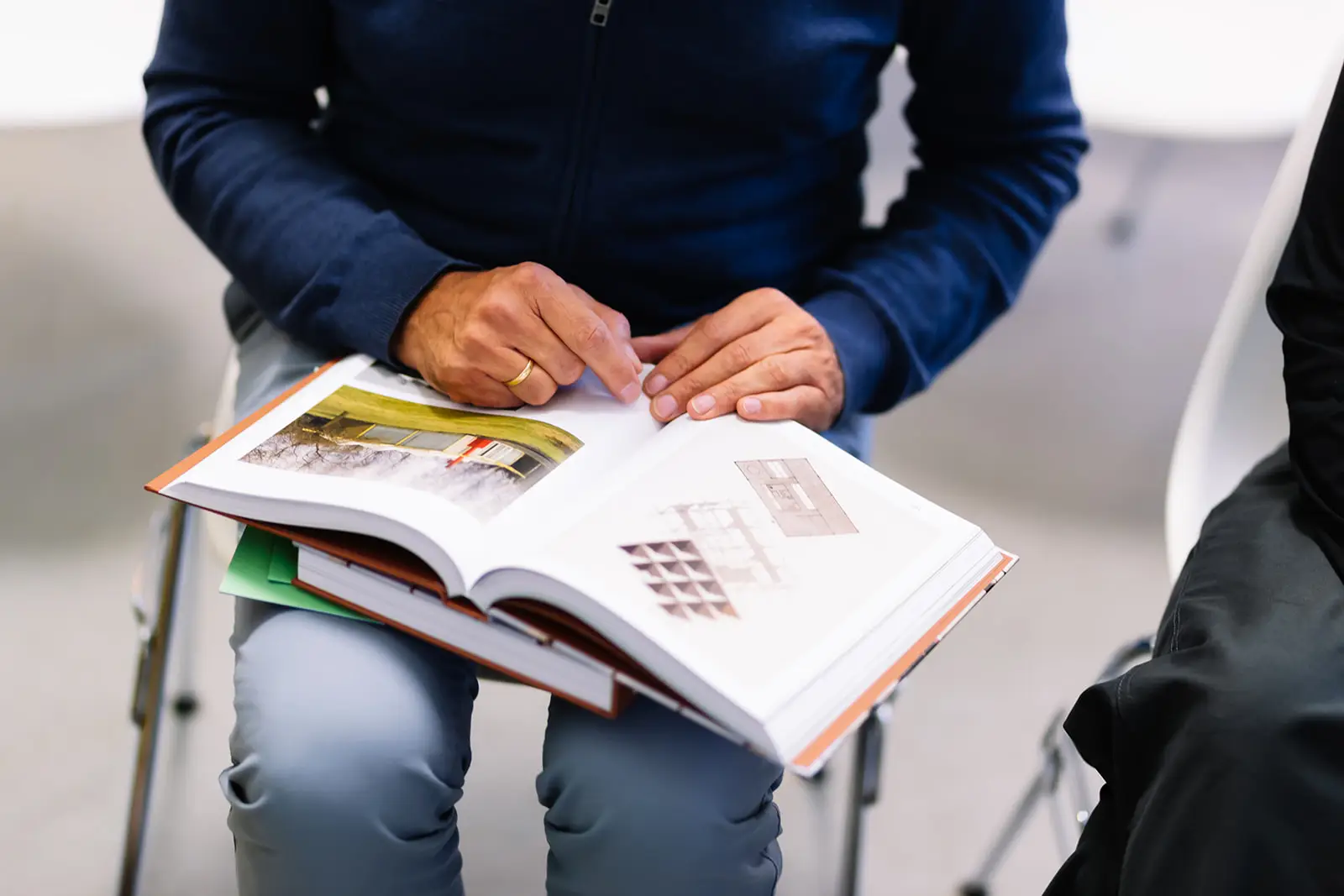
The third edition comprises 382 pages and contains the extensive historical visual and plan material from the original publication, supplemented by a new foreword and a new chapter. The book is available in both Dutch and English.
The reissue makes an important piece of architectural history accessible once again, while extending the narrative to the present day. Those unfamiliar with the Turnhoutse School are given the chance to discover its architects, buildings, and ideas. Those already acquainted with it can revisit the work through the lens of contemporary questions regarding architecture, archives, and heritage.
For the Architectural Conservation Trust, this is exactly what this new edition is about: not just preserving what has been, but ensuring that the knowledge and stories behind this architecture remain available for the generations to come.
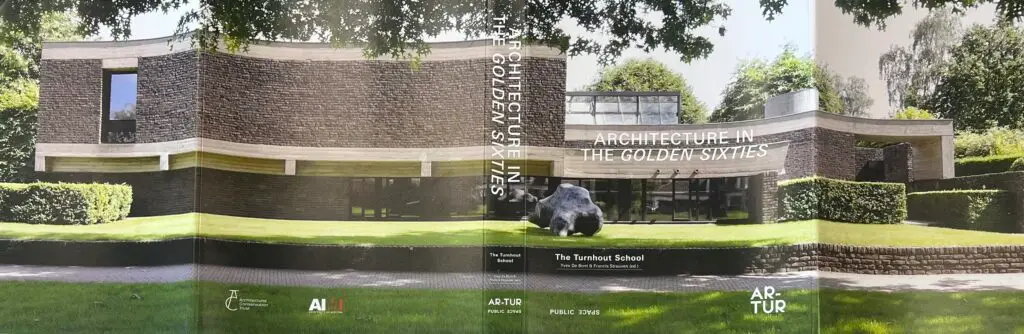
For this edition, the Architectural Conservation Trust has also received its own custom dust jacket.
With thanks to:
Master Interior for hosting the event
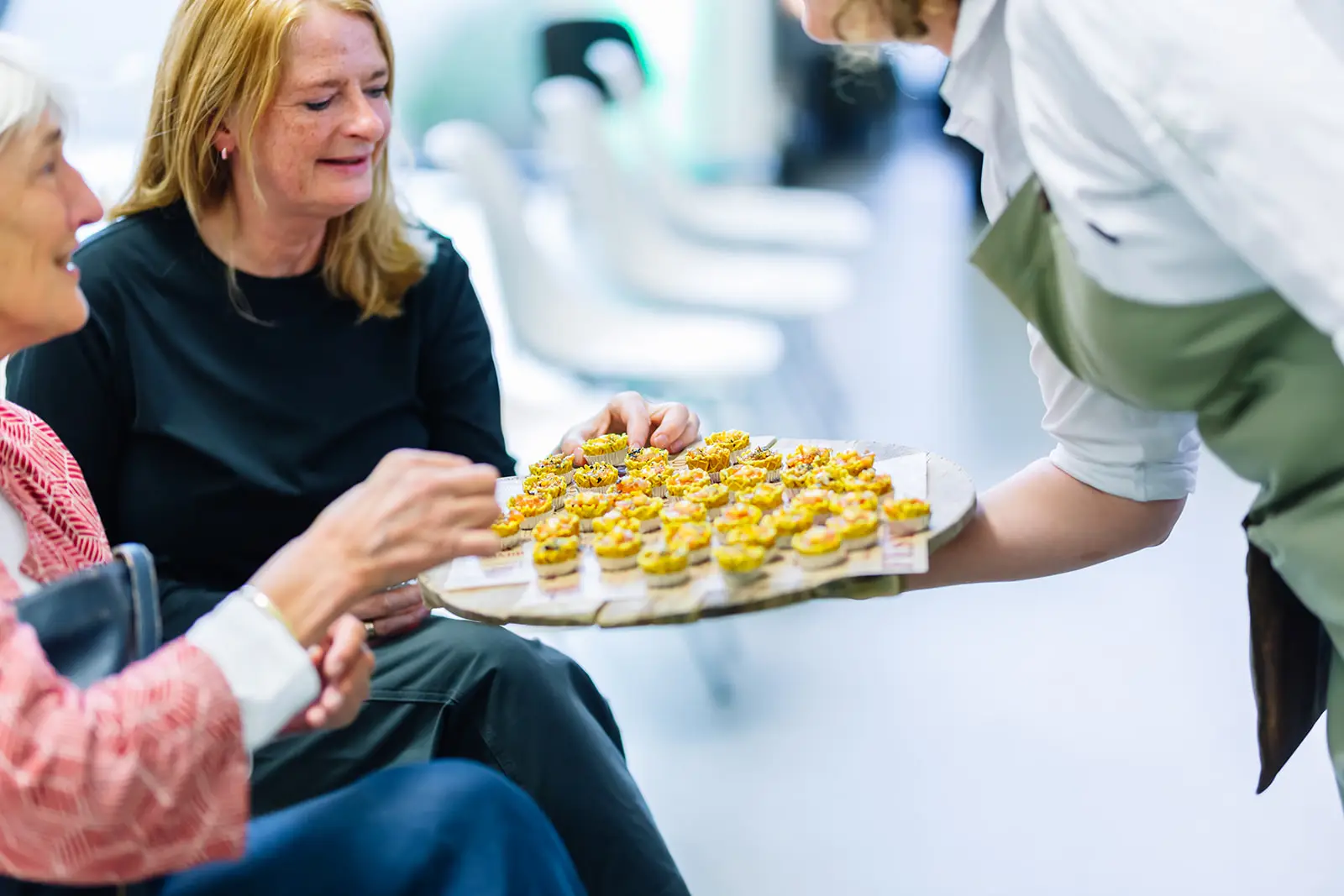
Hendrickx Feesten for the catering
Sander Verheyen (https://www.replay-avm.be/) for the aftermovie
Photo report:
Kelly Donckers & Lander Loeckx